Notes from a small village, kept for decades
In one long-living village, evenings still end the same way they did generations ago — with honey and gelatin
No pills, no trends. Just a bowl, a spoon, and a habit built around honey and gelatin that outlasted every fad that came after it.
What Changes After 50 — And Why Men Notice It Differently
Talk to enough men past fifty and a pattern shows up before any doctor mentions it. Evenings shift first. Then everything else follows.
Evenings Got Shorter
The hour after dinner used to feel long. Now it disappears fast, and nobody quite says why.
Sleep Feels Different
Not necessarily worse — just lighter, more interrupted, less like the sleep from twenty years back.
Energy Isn't Constant
Mornings still work fine. It's the stretch after 3pm that men describe as unpredictable now.
Old Habits Faded
Routines that once felt automatic — a walk, a wind-down ritual, a bowl of something warm — quietly stopped somewhere along the way.
Six Things Men Quietly Notice — And Rarely Mention Out Loud
Restlessness Before Bed
Lying down doesn't always mean settling down. The mind stays a step ahead of the body.
Afternoon Fog
A dip in sharpness that shows up around the same time, most days, without an obvious trigger.
Shorter Patience
Small things land bigger than they used to — and men notice it in themselves before anyone points it out.
Stiff Mornings
The first ten minutes out of bed feel different than they did a decade ago.
Skipped Routines
Habits that used to anchor the evening get dropped more easily than before.
A Vague Sense of 'Off'
Nothing dramatic — just a quiet feeling that something in the daily rhythm has shifted.
Myths vs Facts: What Gets Said About Aging Habits
A lot of advice floating around for men over 50 sounds confident. Not all of it holds up.
Evening routines don’t matter once you’re older.
Routines tend to matter more with age, not less — consistency is what most habit research actually points to.
Traditional habits like honey and gelatin are just old wives’ tales.
Many village routines were built around what was available and simple to repeat — that’s closer to practical habit design than folklore.
If something isn’t a supplement, it isn’t worth tracking.
Plenty of long-kept household habits were never sold as products — they were just repeated because they fit into daily life.
The Habit, Broken Into Three Simple Parts
Nothing complicated. Just a sequence some households never stopped repeating.
Same Time, Every Evening
The habit was tied to the clock, not the mood — always after the evening meal, before the house went quiet.
One Small Bowl
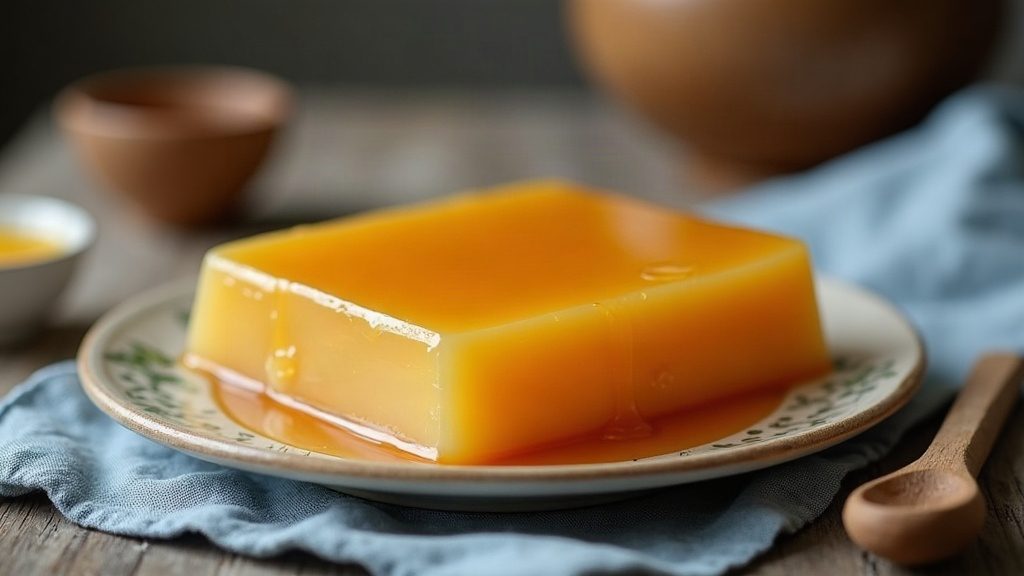
A modest portion of honey and gelatin, prepared the same simple way each time. Nothing elaborate.
No Skipping the Ritual
It wasn’t treated as optional. Even on busy days, the small routine stayed in place.
Where the Habit Came From
In one village often cited for the number of residents living well into their eighties and nineties, honey and gelatin weren’t sold as anything special. They were simply what the kitchen had — inexpensive, easy to combine, and part of a routine passed down without much explanation. Grandmothers made it. Sons kept making it. Nobody wrote it down because nobody thought it needed writing down.
What stands out isn’t the ingredient list. It’s that the habit survived — repeated the same way, at the same time, for generations, long before anyone called it a ‘wellness routine.’
What Some Men Have Said About Keeping the Habit

Illustrative composite examples. Individual results vary. Not a guarantee.
Questions Readers Ask
No. This page discusses a traditional household habit involving honey and gelatin, not a manufactured supplement.
The habit is commonly referenced in discussions about that region’s household routines and long-standing daily rituals.
The habit traditionally uses simple, widely available kitchen ingredients — nothing exotic or hard to find.
This content is educational and reflects traditional practice, not clinical claims. It should not be treated as medical guidance.
Habits like this are generally simple enough for most adults, though anyone with health concerns should speak with a healthcare professional first.
This content is written with that audience in mind because many of the daily-rhythm changes discussed are commonly reported in that age group.
No. Nothing here is intended to diagnose, treat, cure, or prevent any condition. Always consult a licensed healthcare provider.
Continue Reading the Village Notes
There’s more to this habit than one page can cover — including how it’s traditionally prepared and why it lasted this long in daily routines.
Advertising Disclosure: This page contains sponsored content and affiliate links. We may receive compensation if you click a link or make a purchase through links on this page. This helps support the content on this site at no additional cost to you.
Content Disclaimer: This content is for educational and informational purposes only. It has not been evaluated by the FDA. Nothing on this page is intended to diagnose, treat, cure, or prevent any disease or condition. Always consult a qualified healthcare professional before making changes to your diet, habits, or lifestyle.
Results Disclaimer: Individual results vary. Testimonials and examples shared on this page are illustrative and are not a guarantee of any specific outcome or result.
© 2026 · All Rights Reserved · /contact/